Transformer Supplier Vetting & RFQ Hub

Transformer Supplier Vetting & RFQ Hub

Choosing between competing distribution transformer suppliers is really a question of how much of the build one vendor controls. A factory-direct distribution transformer manufacturer winds the core, seals the corrugated tank and signs off the routine tests in-house, so lead time, custom ratings, spare parts and after-sales support stay inside one accountable chain. This hub walks you through supplier types, a vetting scorecard, a ready-to-send RFQ checklist and a total-cost view so your next quote request is comparable from day one.

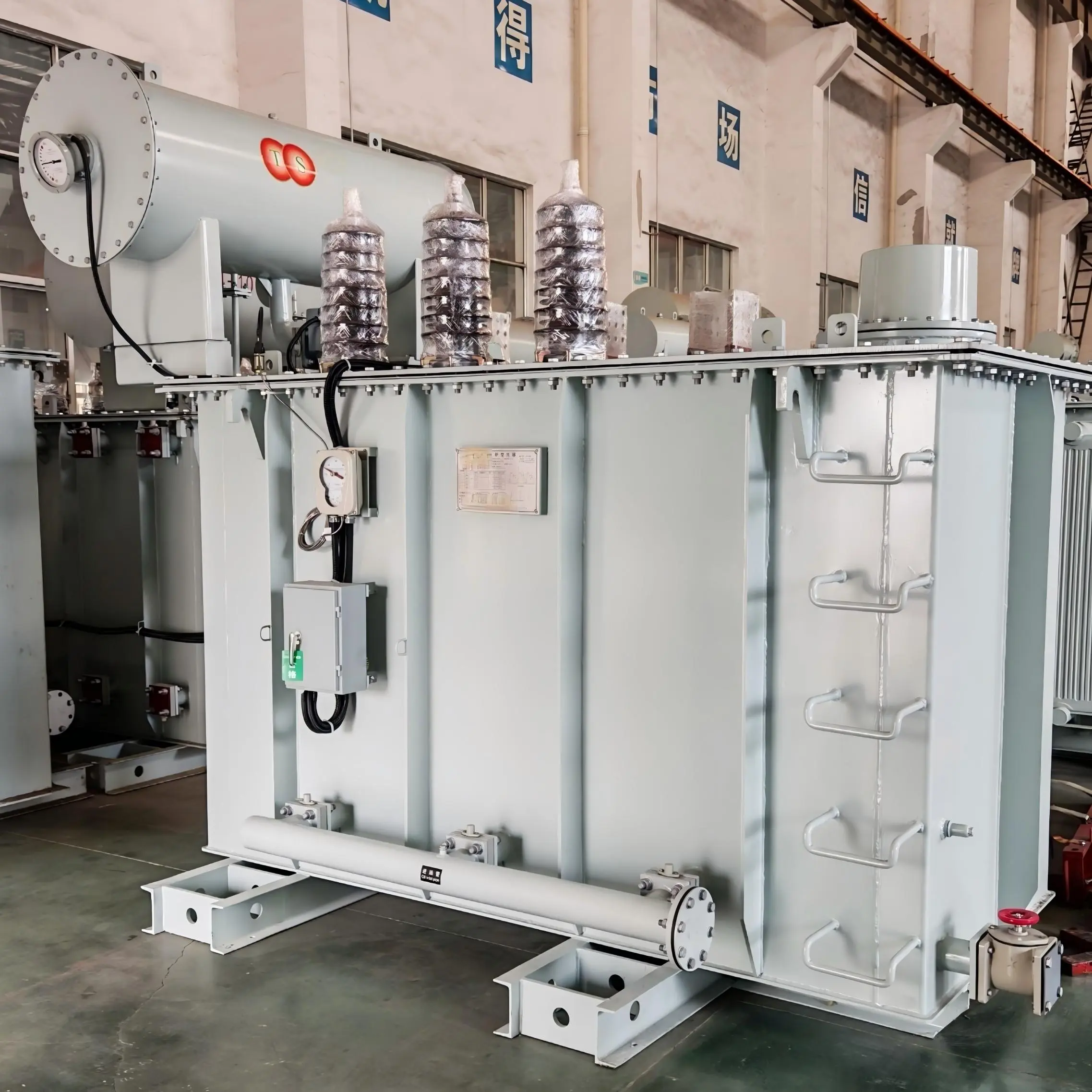
Sealed Oil Immersed Distribution Transformer with Wound Core – Low Loss, Maintenance-Free & Reliable Power Solution
Step 1 — Know who you are buying from

Four Supplier Types, Four Different Risk Profiles

Lead time, customization freedom, warranty ownership and spare-part access change dramatically depending on which of these four parties actually holds the factory.

Lowest mark-up

Factory-Direct OEM

You buy from the plant that winds the core and seals the tank. Custom ratings and voltages can be engineered rather than resold.

  • Lead time: build-to-order, committed at order
  • Customization: highest — ratings and voltages made to spec
  • Warranty & spares: held by the manufacturer
  • Technical support: engineering team, not a sales desk
Middle layer

Trading Company

Aggregates several factories and handles export paperwork. Convenient, but specification ownership is split.

  • Lead time: depends on the upstream plant
  • Customization: limited to what the factory accepts
  • Warranty & spares: routed back through a third party
  • Technical support: varies with the individual agent
Fastest delivery

Regional Stockist

Holds common ratings in a warehouse for quick replacement. Ideal for breakdown swaps, not for engineered orders.

  • Lead time: shortest for stocked ratings
  • Customization: none on the shelf
  • Warranty & spares: local, but catalog-limited
  • Technical support: replacement guidance
Bundled scope

EPC Package

Transformer arrives inside a wider construction contract. Single point of responsibility, less visibility on the equipment itself.

  • Lead time: tied to overall project schedule
  • Customization: driven by the EPC's specification
  • Warranty & spares: through the contractor
  • Technical support: project-managed
Where wound-core sealed builds fit A hermetically sealed, corrugated-tank transformer is normally supplied factory-direct, since the tank, core and oil filling are all plant-controlled.
Why that matters for the RFQ Factory-direct quoting removes one margin layer and keeps specification changes — tap-changer range, vector group, losses — inside one engineering review.
Buyer decision If your order needs non-standard ratings or voltages, a factory-direct path usually returns the shortest answer; stockist supply is best kept for urgent like-for-like replacement.
Reference build

What a Verifiable Product File Looks Like

Use this as the benchmark when you compare quotes: every parameter below is stated on the product page and can be written straight into your RFQ.

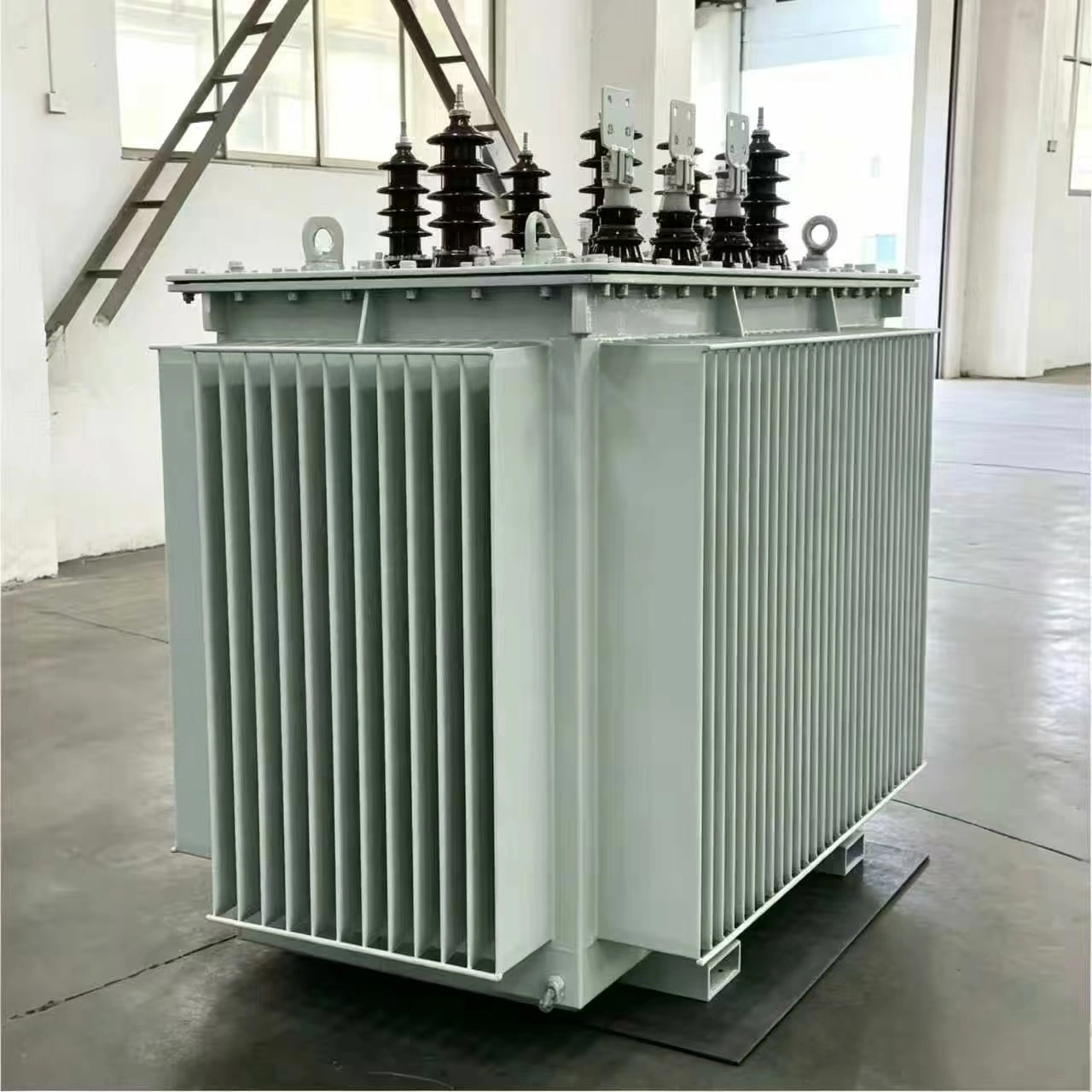
Sealed oil immersed distribution transformer with wound core, low loss and maintenance-free design

Sealed Oil Immersed Distribution Transformer with Wound Core

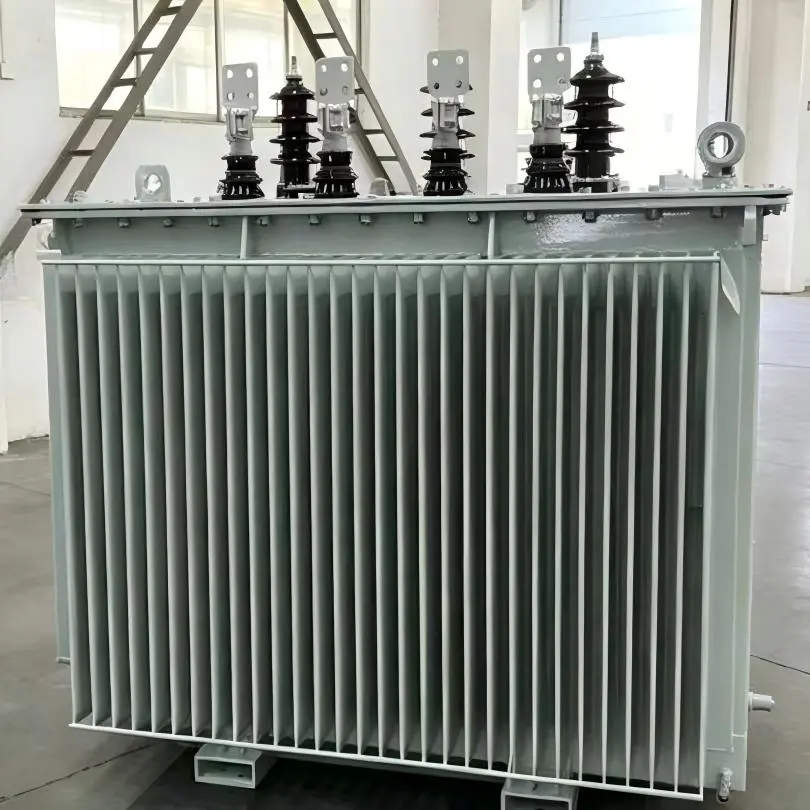
A three-phase, hermetically sealed oil-immersed unit built on a wound core of high-permeability cold-rolled silicon steel. The corrugated tank removes the need for an oil conservator and keeps moisture and contaminants away from the insulating liquid.

Rated capacity30 kVA – 2500 kVA
High voltage side6 / 10 / 11 / 20 / 35 kV
Low voltage side0.4 / 0.415 / 0.433 kV
Vector groupDyn11 (or as required)
CoolingONAN
Tap changerOff-circuit, ±2 × 2.5% or ±5%
Impedance voltage4% – 6% by capacity
Core / windingWound silicon steel / copper or aluminum
Insulating liquidMineral oil, IEC 60296 compliant
Temperature rise limitsOil 60 °C / winding 65 °C
StandardsIEC / GB, adheres to IEC 60076

Buyer decision: this file gives you a complete specification set for a standard distribution duty. When your load is rectifier, arc-furnace or otherwise non-linear, step to a purpose-built unit from the related range instead of stretching this one.

Step 2 — Score, don't guess

10-Point Manufacturer Vetting Scorecard

Score each criterion from 1 to 5. Any line landing below 3 is a red flag worth a written clarification before you place a purchase order.

# Criterion What good looks like Red flag (score below 3)
1 IEC / GB compliance Product file names the standard it is designed and built to No standard cited anywhere in the documentation
2 IEC 60076 testing Routine and type test regime aligned to IEC 60076 Tests mentioned vaguely, no test list supplied
3 Factory audit access Plant visit or third-party inspection accepted Audit refused or heavily restricted
4 Capacity range coverage Demonstrated build range, e.g. 30 kVA through 2500 kVA Cannot state a buildable range for your rating
5 review process Documented in-process checks and final inspection No documented process between winding and dispatch
6 Project references Comparable industrial or utility installations No referenceable project in your segment
7 Warranty ownership Warranty held by the manufacturer in writing Warranty passed to a third party with no terms
8 Spare parts Stated availability of bushings, gaskets and tap-changer parts Parts sourced ad hoc after delivery
9 Lead time commitment Fixed schedule with milestones in the contract Open-ended delivery language
10 Export experience Documented packing, marking and shipping practice No evidence of exported units
Step 4 — Prepare the enquiry

RFQ & Specification Checklist

Send these fields and every supplier quotes the same machine. The example column uses the sealed wound-core distribution range as the default starting point.

RFQ field Why the supplier needs it Example default
Rated capacity Sets core and winding geometry, tank size and losses 30 – 2500 kVA; common models include 100, 200, 315, 500, 800, 1000, 1250 and 1600 kVA
HV voltage Determines insulation level and bushing selection 6 / 10 / 11 / 20 / 35 kV
LV voltage Matches your downstream switchgear 0.4 / 0.415 / 0.433 kV
Vector group Governs phase displacement and parallel operation Dyn11 (or as required)
Impedance voltage Controls short-circuit current and voltage regulation 4% – 6%, depending on capacity
Cooling method Defines radiator design and thermal limits ONAN (Oil Natural Air Natural)
Tap changer Provides voltage adjustment for site conditions Off-circuit, typically ±2 × 2.5% or ±5%
Loss targets Drives lifetime energy cost far more than price Low-loss wound core; exact figures per rating in the detailed technical datasheet
Temperature rise Sets insulation class and overload headroom Oil 60 °C / winding 65 °C (standard limits)
Core & winding material Affects loss profile, weight and cost High-permeability cold-rolled silicon steel wound core; copper or aluminum winding
Insulating liquid Compatibility and environmental requirements Mineral oil, IEC 60296 compliant
Enclosure & site conditions Corrosion, noise and space constraints shape the build Hermetically sealed corrugated tank; state humidity, dust, ambient temperature and available footprint
Step 5 — Compare lifetime cost

Purchase Price vs Total Cost of Ownership

A lower invoice is only cheaper if no-load loss, maintenance visits and downtime do not overtake it over the life of the unit.

Cost line Factory-direct OEM Trading company / stockist
Purchase price Single factory margin; customization priced at build Includes an intermediary margin and possible re-markup on options
No-load loss Wound core of low-loss silicon steel — the page states it minimises no-load current by up to 80% Depends on which factory supplied the unit; often unverified at quote stage
Maintenance Maintenance-free sealed design; no oil conservator to service Service routed through a third party, with additional coordination time
Downtime Sealed tank limits moisture and contaminant ingress, reducing interruptions Replacement sourcing depends on local stock or the upstream plant
Transport Factory-controlled packing and marking for export Additional handling between factory and your site
Warranty Held and honoured by the manufacturer Claim passes through the reseller; response time varies
Replacement risk Custom ratings and voltages can be rebuilt to the original file Non-standard models may be discontinued without notice

Simple payback logic: model your annual running hours against the no-load loss figure in each quotation. Where the wound-core design cuts no-load current substantially, the energy saving accumulates every hour the transformer is energised — including nights and weekends when plant load is low. That is the number to compare, not the invoice line alone.

Step 6 — Verify before you pay

Test Evidence and Red Flags

Ask for the test schedule at quotation stage, not after dispatch. Both lists below should appear in the supplier's written offer.

Evidence to request

  • Routine test results for the individual serial number
  • Type test documentation consistent with IEC 60076
  • Insulating oil test to IEC 60296 for the filled liquid
  • Temperature rise verification against the stated limits of oil 60 °C / winding 65 °C
  • Short-circuit withstand evidence for the robust construction claimed
  • Third-party inspection arrangement if your project requires it
  • Declaration of conformity to the applicable IEC and GB standards

Red flags in a quotation

  • No serial-number-linked routine test report offered
  • Loss figures given as a range instead of a value per rating
  • Vector group or tap-changer range left blank or "to be confirmed"
  • Insulating liquid unspecified, with no oil standard quoted
  • Warranty wording that names a third party instead of the manufacturer
  • Factory audit declined or limited to a showroom visit
  • Temperature rise limits omitted entirely from the technical annex

Send One RFQ, Compare Like-for-Like Quotes

Submit your capacity, voltages, vector group, tap-changer range and site conditions, and receive a factory-direct quotation against a documented specification. Custom ratings, voltages and OEM or ODM builds can be quoted in the same enquiry.

Related Reading

Three notes to help clarify product requirements before contacting the supplier.

How to Choose a Distribution Transformer Manufacturer for Industrial Substations

Industrial facility engineers need to fix the kVA, voltage ratio, tap range, impedance, and test documents before they compare distribution transformer suppliers for a substation project.

Read article

Choosing Wound Core Transformers for Factory Power Retrofits

A wound core sealed transformer can reduce no-load current and routine oil maintenance in a factory step-down retrofit, but it only works when capacity, voltage, vector group, noise, and site…

Read article

What Voltage Should a 1000 kVA Distribution Transformer Use in a Factory?

A 1000 kVA distribution transformer in a factory normally steps down 10 kV, 11 kV, 20 kV, or 35 kV to 0.4 kV, 0.415 kV, or 0.433 kV, and the tap range and vector group…

Read article

Frequently Asked Questions

What compliance and testing standards should a distribution transformer manufacturer document?

The supplier should be able to name the standards the unit is designed and built to. The sealed oil-immersed wound-core distribution transformer is stated as compliant with iec/gb standards and as adhering to iec 60076, which is the reference framework for routine and type testing. Ask for serial-number-linked routine test reports and the applicable declaration of conformity alongside the quotation.

What capacity range can a factory-direct supplier quote for distribution duty?

This sealed wound-core range covers 30 kva to 2500 kva in three-phase form at 50 hz or 60 hz, with common models including 100, 200, 315, 500, 800, 1000, 1250 and 1600 kva. Ratings above that, or process-driven duty such as rectifier or arc furnace service, need a purpose-built transformer rather than a larger unit from this range.

What information do i need before requesting a quote?

Prepare rated capacity, hv and lv voltages, vector group, impedance voltage, cooling method, tap-changer range, loss targets, temperature rise limits, core and winding material, insulating liquid, plus your enclosure and site conditions. Defaults from this range are 6/10/11/20/35 kv on the hv side, 0.4/0.415/0.433 kv on the lv side, dyn11, onan cooling, an off-circuit tap changer at ±2 × 2.5% or ±5%, and 4%–6% impedance.

Why does a wound core reduce running cost?

The wound core is built from premium low-loss cold-rolled silicon steel in a continuous winding, which the product page states minimises no-load current by up to 80%. Since no-load loss is drawn whenever the transformer is energised, that reduction accumulates continuously, including periods of low plant load. The sealed, maintenance-free design also lessens downtime and decreases operational expenses.

How do i compare total cost of ownership instead of just purchase price?

Put purchase price next to no-load loss, maintenance visits, downtime exposure, transport and handling, warranty ownership and replacement risk. A factory-direct supply typically keeps warranty and spare parts with the manufacturer, while an intermediary adds a margin layer and a coordination step. Model your annual running hours against the loss figure in each quotation before you decide.

Do suppliers support custom ratings and oem or odm builds?

Yes. Custom ratings and voltages are available on this sealed wound-core range, and vector group can be quoted as required rather than fixed at dyn11. Share your nameplate target, site conditions and vector group in the enquiry so the plant can confirm buildability and lead time before the purchase order is issued.

Leave a message
First Name *
Last Name *
Email *
Message *